
Moving house or shifting bulky goods can feel hectic, yet the right plan keeps the day calm. A well-matched vehicle sits at the centre of a smooth move, especially when truck rental in Auckland sits on the to-do list. Careful preparation cuts delays, reduces damage risks, and helps keep costs under control.
People often guess the space needed, then face extra trips, awkward loading, or last-minute upgrades that raise the bill. Truck rental in Auckland works best when the size, licence rules, and fees are clear before pick-up time. This blog explains how to choose a vehicle, confirm legal requirements, compare costs, and avoid common driving mistakes.
Selecting the Right Vehicle Size
Vehicle size impacts time, effort, and cost during a move. Planning ahead ensures truck rental in Auckland fits the load and avoids extra trips.
Start With Load Planning
Space planning saves time and reduces stress once the keys are in hand. Walk through the property and list bulky pieces, plus boxes and odd items such as garden tools. Measure tall items, note stair access, and check driveway width before deciding between van and truck.
Helpful checks before booking:
- Count large furniture items and appliances, not only boxes
- Measure the longest item to confirm internal length
- Note access limits like narrow gates or steep driveways
- Estimate loading help needed, especially with heavy items
Cargo Vans Suit Tight Access
Cargo vans work well for studio flats, small storage runs, and single large items such as fridges or couches. Tight driveways and small car parks feel easier in a van, since the turning circle is closer to a car. People searching for van hire in Auckland often need flexibility and speed for short jobs.
Common van-friendly jobs:
- One bedroom moves with light furniture
- Single-item transport, including appliances
- Trade supplies, tools, and boxed stock
- Local tip runs and storage unit moves
Small Box Trucks Reduce Trips
Small box trucks handle bigger loads, plus the square cargo space makes stacking safer and simpler. Two to three-bedroom homes often fit better in a box body than a van, which helps avoid repeated runs. Tail lifts, when included, reduce lifting strain and lower injury risk during heavy loads.
Look for practical features:
- Tail lift for heavy items and safer loading
- Tie rails and straps to stop sliding
- Clear internal height for tall wardrobes
- Wide rear opening for bulky furniture
Pick Slightly Larger Capacity
Uncertainty usually costs more than extra space, because repeat trips waste fuel and time. Local traffic can turn a second run into a long delay, and loading again increases the chance of scratches. Aim a little bigger than the estimate to keep the move within one trip whenever possible.
Licence Rules And Driver Eligibility
Driving a rental truck in Auckland is straightforward once the licensing rules are clear. Knowing what your licence allows prevents last-minute surprises.
Standard Licence Covers Most
Drivers often worry about a special heavy trade licence, yet most rental trucks sit within a range that a normal licence covers. In New Zealand, a standard Class 1 full car licence generally permits driving light trucks up to 3.5 tonnes, and some providers offer options up to 4.5 tonnes with similar conditions. Check the vehicle gross weight rating on the booking page and confirm with the hire agreement before pick-up.
Age And Licence Type Limits
Age rules vary by provider, and some companies set a higher minimum age for larger vehicles. Full licence requirements also matter, since a learner licence may not qualify for certain trucks and insurance cover. Carry the physical licence card and bring a second form of identification if the provider requests it.
Key points to confirm:
- Minimum age for the chosen vehicle class
- Full licence status, not learner or restricted
- Licence held duration rules, if listed
- Additional driver policy and fees
Understand Safety Responsibilities
Legal permission forms only one part of safe driving, since larger vehicles respond differently in braking and cornering. Loading affects stability, especially when heavy items sit high or unevenly. Keep weight low, secure items, and allow longer braking distance than a car.
Clear Costs And Insurance Basics
Costs and insurance affect how smooth moving day will be. Checking details early helps keep the budget on track and ensures truck rental in Auckland has no surprises.
Compare Total Price Clearly
Headline rates look attractive, yet the final cost depends on what sits inside the deal. Some providers add GST, insurance, or kilometre fees later, which changes the value quickly. People seeking the best truck rental options in Auckland tend to choose providers that show a clear total, with inclusions stated in plain language.
Smart comparison checks:
- GST is included in the advertised rate
- Insurance level included by default
- Kilometre limits and extra kilometre fees
- Weekend, late return, or after-hours charges
Bond, Excess, And Peace Of Mind
A bond acts as a security hold, often returned after the vehicle comes back in acceptable condition. Insurance excess is the amount payable if damage occurs, and optional products may reduce that excess. Read the product disclosure or rental terms, then pick a cover that matches the risk level and driving comfort.
Quick definitions:
- Bond: Refundable security amount held during hire
- Excess: Payable amount if an insured incident occurs
- Excess Reduction: An optional add-on to lower the excess
Fuel Type And Road Charges
Light trucks and box trucks often run on diesel, which changes how fuel costs work. Road User Charges, also known as RUC, may apply per kilometre, or a provider may include a set allowance within the rate. Confirm the policy in writing, because the difference can shift the final bill more than expected.
Fuel and charges checklist:
- Diesel refuel expectations at return
- RUC included or charged per kilometre
- Fuel card rules, if offered
- Receipt requirements and proof of refuel
Avoid Surprise Add-ons
Extra charges often appear through small items that get missed during booking. Cleaning fees may apply after muddy loads, pet hair, or rubbish left inside. Late returns can trigger hourly fees, and after-hours drop-offs might require prior approval.
Common fee triggers:
- Late return outside the agreed time
- Vehicle returned dirty inside the cargo area
- Missing equipment, such as straps or trolleys
- Damage notes not reported at pick-up
One-Way vs. Return-to-Base
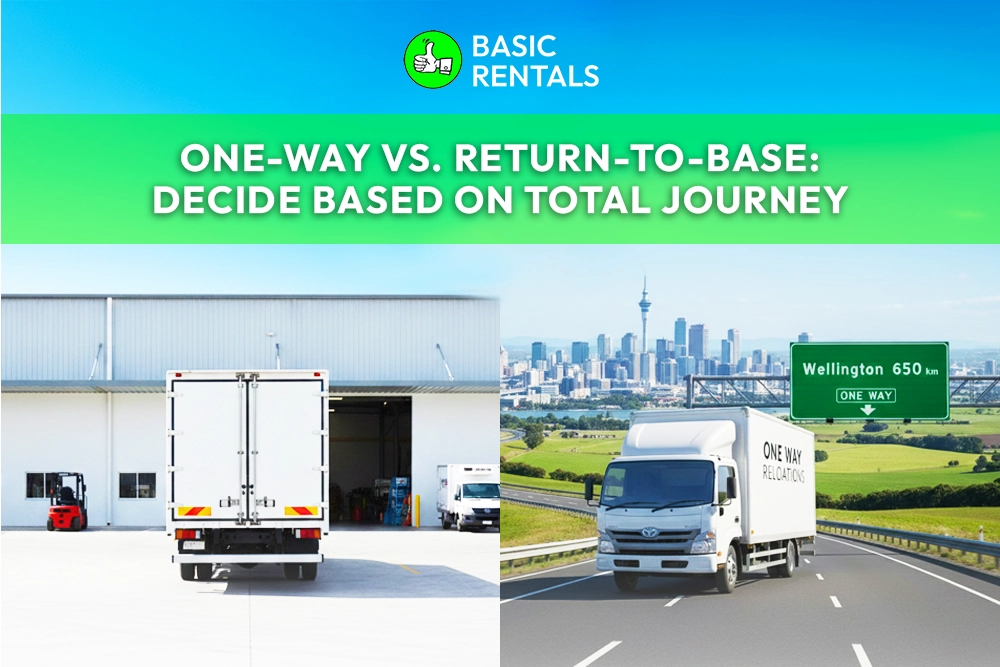
Deciding between a return-to-base or one-way hire affects both cost and convenience. Each option suits different types of moves and travel distances.
Return To Base Works Locally
Return to base hire suits local moves, since pick-up and drop off happen at the same site, which keeps the rate lower. This approach works well for short-distance moves, plus it simplifies insurance checks and handover. Local jobs often benefit most, because route planning stays predictable and the return drive remains manageable.
One Way Fits City Moves
One way hire suits long-distance moves, especially when the destination sits far outside the pick-up area. Less backtracking saves time, yet one-way pricing depends on fleet availability and planned relocations. People asking where to find one-way truck rentals in Auckland often see the best value through relocation specials that appear when a vehicle needs to move in a certain direction.
Practical one-way steps:
- Search for “relocation specials” and flexible dates
- Confirm the drop-off site and opening hours early
- Ask about the late drop-off procedure and keys
- Check kilometre allowances for long trips
Decide Based On Total Journey
Vehicle choice and hire type connect, since a bigger truck can reduce trips but may cost more in fuel and tolls. Return to base can still work for longer moves if a helper drives a second car back, yet that adds complexity. Compare time, fuel, and drop-off logistics rather than focusing only on the daily rate.
Plan Routes And Timing
Route planning helps reduce stress, especially with larger vehicles that need more space. Consider school run traffic, weekend events, and parking restrictions near the destination. Book a pick-up time that leaves space for loading, plus a buffer for unexpected delays.
Practical Tips for Driving a Truck in Auckland
Driving a truck in Auckland requires focus and preparation. Following safe practices ensures a smoother, stress-free move.
Watch Height And Clearance
Height matters with box trucks, since low bridges, car park bars, and overhanging trees can cause serious damage. Confirm the vehicle height, write it on a note, and keep it visible on the dashboard. Avoid covered car parks unless clearance sits well above the listed height.
Height safe habits:
- Check clearance signs before entry
- Avoid drive-through lanes with low bars
- Keep to routes that suit taller vehicles
- Stop and reassess if unsure
Take Wider Turns Slowly
Trucks need wider turns, and the rear wheels cut the corner more than a car. Approach corners slowly, keep a safe gap, and use mirrors often. Signal early and avoid sudden steering movements, especially when the load sits high.
Manage Braking And Following Distance
Longer stopping distance comes with extra weight, even at moderate speed. Keep a bigger gap to the vehicle ahead, and brake earlier than usual. Smooth braking protects the load and reduces the chance of items sliding inside the cargo space.
Solve Parking Before Arrival
Parking stress can ruin a move if the truck cannot stop near the door. Check both addresses in advance, look for loading zones, and speak with neighbours if shared access might block the kerb. Cones and a helper can keep the space clear during key loading periods.
Useful parking actions:
- Measure driveway width and gate clearance
- Identify nearby safe stopping points
- Arrange lift access in apartment buildings
- Keep a spotter nearby during reversing
Load With Balance And Safety
Load heavier items first, keep the weight centred, and avoid stacking heavy boxes on light furniture. Use straps to secure tall items, and fill gaps to stop movement. Spread weight across the floor rather than piling it in one corner.
Loading essentials:
- Place heavy items low and forward
- Strap tall items to prevent tipping
- Protect walls with blankets or padding
- Keep a clear path to the door
Making Moving Day Stress-Free
A smooth move relies on sensible vehicle size, clear cost checks, and practical driving habits that match a larger vehicle. Careful loading, safe turning, and planned parking keep the day steady, even when time feels tight. Truck rental in Auckland becomes far less stressful once the job scope, route, and hire terms match the real needs.
Reliable local providers also help, since clear rates and honest guidance reduce surprises at the counter. Basic Rentals offers an affordable local option with branches in Takanini and at the Airport, which suits return-to-base moves and short-distance jobs. Truck rental in Auckland works best when the booking feels simple, the vehicle suits the load, and the final bill matches expectations.